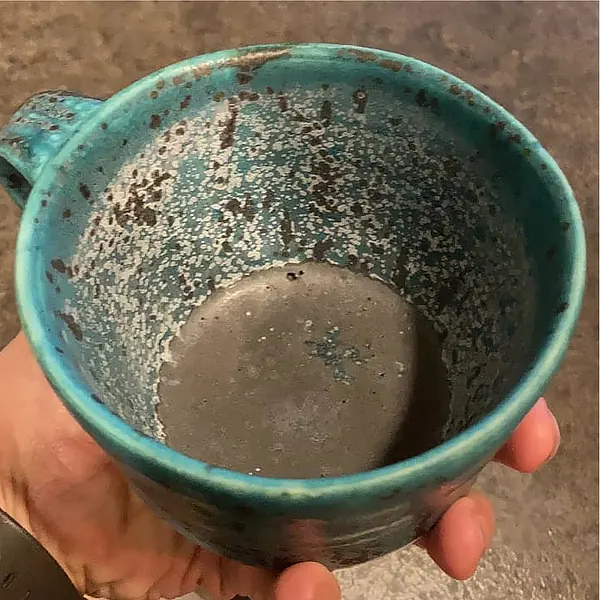
Food Safe and Stable Glazes - Online Course
Rated 4.80 out of 5 based on 35 customer ratings
(35 customer reviews)
Mix your own glazes. Know they’re safe. Understand why.
You’ve spent time developing glazes you’re happy with. But are they genuinely stable? Will they hold up in the dishwasher, or slowly degrade with each cycle? Are you confident nothing harmful is leaching into food or drink? Do they meet the legal requirements for ceramic glazes?
If you mix your own glazes for functional ware, these aren’t hypothetical questions. The good news is that the chemistry needed to answer them is learnable, the testing can mostly be done in your own studio, and the regulations – across the UK, EU, USA, Australia and New Zealand – are more navigable than they might appear.
This 6-module course gives you a thorough, chemistry-based understanding of glaze stability and food safety. You’ll learn what makes a glaze resist acid and alkaline attack, which materials carry genuine risks and at what levels, how to test your glazes and interpret the results, what the law requires of you, and how crazing affects both durability and safety. Along the way, you’ll cover the behaviour of the full range of glaze constituents – from silica and boron to colorants, opacifiers and fluxes – so you can make informed decisions about any glaze formula, not just the ones you’ve already tried.
This is a course for potters who want to understand their glazes, not just mix them and hope for the best.
Joel Pantaleón
.
Amelia Iglesias
I recently attended Tim Thorton`s food -safe training and I am so pleased about it. Tim has a deep knowledge about chemistry, phisics and all the magic behind pottery so he gives an insightful understanding about all the process. I left the course feeling confident about the safety and stability of my glazes. He provided with tools I can use to rest assured about the quality of my glazes. I think every potter that produces tableware should attend to this training. Thanks a lot Tim. Amelia (Madrid, Spain)
£130.00
Other currencies (approx.)
€151
US$175
A$245
Share with your friends
Facebook
Threads
Pinterest
Reddit
WhatsApp
Email
Course Details
About the course
An in‑depth guide to glaze durability and food safety that combines practical testing and guidelines with an exploration of glaze chemistry.
You’ll learn how glazes are attacked, and also delve into glaze chemistry to see how glazes can be made more or less stable depending on their composition. You’ll learn how to assess glazes by looking at their composition as an analysis, molar recipe, UMF, Stull chart and phase diagram. You’ll learn how to assess glazes by testing in-house or with a lab, by using limit formulae, time-proven guidelines, and analysis of their chemistry. And you’ll learn about the laws, regulations and standards that apply in the UK, EU, USA, New Zealand and Australia.
For those not wanting to delve into the chemistry, or using commercial glazes, the Product Safety for Potters course is more appropriate.
This is a course for potters who want chemistry‑based understanding so they can develop their own glazes and diagnose any problems incurred, from a position of knowledge.
About your instructor
I have been making ceramics since 2008, starting with evening classes and then setting up my own studio a couple of years later.
With a background in science and engineering, I am drawn to the technical aspects of the craft, but enjoy explaining the technicalities in plain language to those with less technical knowledge. I regularly post on these lines on social media, and have been teaching since 2020, mostly online.
I have always made up my own glazes, and researching glaze chemistry, reading both the writings of potters and of ceramic scientists. With the science having moved on a fair bit from what potters are taught, I created this course to make potters aware of the current state of knowledge of food safety and glaze chemistry.
My aim is simple: give you the “why” behind the “what,” so you can design, evaluate and improve your glazes with confidence.
What you will achieve
By the end of the course you will have learnt the following:
Defining and Understanding the Issues
- Understand clearly what “food safe” and “glaze stability” actually mean, and why the distinction matters
- Know which glaze materials are potentially toxic, at what levels they become a concern, and how the intended use of a piece affects the safety requirements
- Understand how crazing affects the food safety of a finished piece
- Know what the relevant laws, regulations and standards require of you in the UK, EU, USA, Australia and New Zealand
Testing
- Carry out lemon, vinegar and dishwasher tests in your studio and interpret the results
- Test for metal leaching and understand what the results mean
- Know when laboratory testing is needed, what it involves and how to arrange it
- Test glazes for crazing tendency
Glaze Chemistry and Stability
- An overview of glaze chemistry and structure, showing you how the glass formers, fluxes and intermediates/stabilisers act to form the glaze structure
- A more detailed look at the role of all the main elements used in ceramics, their structures, how they participate in the glaze, and the effect this has on glaze stability and phase separation
- Work with different approaches to analysing glazes – molar formula, UMF, Stull charts and phase diagrams – and understand what each reveals
- Understand the mechanisms of acid and alkaline attack on glazes
- Learn to analyse and improve a glaze using a variety of tools: limit formulae, Stull and Si:Al plots, stability guidelines and analysing the chemistry
- Take a real glaze formula, assess its stability, and make informed improvements to it
- Come away with an updated UMF that better represents the roles that the different materials can play in the glaze
Crazing and Glaze Hardness
- Understand what causes crazing and how to address it through adjustments to glaze and clay body
- Understand glaze hardness, surface roughness and cutlery marking, and how glaze chemistry influences them
Why do this course?
Why do this course rather than relying on limit formulae, stability guidelines and the received wisdom of glaze books and online forums?
- The course explains the underlying chemistry, not just rules of thumb. Once you understand why glazes behave as they do, you can assess and improve any formula – not just the ones you’ve already tested
- It covers glaze constituents individually and in depth, using the latest scientific research, so you understand the specific contribution of every material in your recipes to stability, food safety and durability
- There is a lot more additional material on the tech website if you want to go into the chemistry in more depth
- It shows you how to test your glazes in your studio in a methodical way, and how to evaluate the results. It also tells you when external testing is actually necessary
- The regulations in the UK, EU, USA, Australia and New Zealand are all covered and explained clearly, so you know precisely what applies to your work
- I offer personal support throughout, including discussing your own glaze recipes and specific problems
What do you get?
- Over 9 hours of video talks, divided into 6 modules, with subtitles in your language
- PDFs of all presentations for offline reading
- Additional course material to go into topics in more depth, or broaden out into topics not covered in the talks
- Personal support through emailing in questions or joining the monthly Ask Me Anything online session
- Access to the Tech section of my website, which covers all of my course topics and more
- Course attendance certificate (PDF)
- 10 weeks from your enrolment date to complete the course
How is it run?
A self-directed online study with access to your instructor:
- You can start as soon as your order has been processed.
- Six on-demand modules that you can take at your own pace.
Each module has:- A video talk (about 90 minutes)
- A downloadable PDF of the presentation
- Optional material to go into things more deeply
- Ask questions any time by email
- Monthly “Ask Me Anything” live session (recorded if you can’t attend)
- Premium access to the Tech section of my website
- Suggested practicals you can do with your glazes
- 10 weeks of access is included, extendable at any time for about the cost of a coffee a month
- Course attendance certificate (PDF)
Who is it for?
- Competent potters who mix their own glazes for functional ware
- Makers of mugs, plates, bowls and ovenware who want food safe, durable glazes
- Potters who want to understand glaze chemistry, not just follow recipes
- Anyone who wants to test in their studio and document good practice
- Makers selling (or planning to sell) functional pieces who need to comply with food safety and glaze leaching regulations
Note that if you only use commercial glazes, or don’t want to go into glaze chemistry, or are just interested in the regulatory aspects, then the course Product Safety for Potters may be of more use to you.
Accessibility
- Video lectures with subtitles (in English and translated into attendee’s languages)
- Downloadable PDFs in English for offline reading
- Web site is in English
- Email support during the course
Module outlines
- Defining the Issues: What we mean by durable, food safe glazes and why it matters; the effects of acids and alkalines on glazes; what “food safe” actually means; which glaze materials are potentially toxic and what constitutes a safe level of leaching; how crazing affects the food safety of a piece; how the intended use of a piece affects food safety; laws, regulations and standards in the UK, EU, USA, Australia and New Zealand
- Testing: Practical studio tests using lemon juice, vinegar and the dishwasher, and how to interpret them; testing for metal leaching; laboratory testing – what it involves, when it is actually necessary, and how to arrange it; methods for testing glazes for their tendency to craze
- Glazes and glaze attacks: A recap of chemistry basics and glaze basics; the different approaches to glaze analysis – weight analysis, molar analysis, UMF, Stull charts and phase diagrams – and what each reveals; an overview of glaze structure – the specific roles of silica, aluminium oxide, alkali metals and alkaline earths, boron, and phase separation
- Glaze Stability and Leaching: Acid and alkaline attack mechanisms; making glazes more resistant to each – limit formulae, Stull and Si:Al plots, stability guidelines, and examining the chemistry explained and applied; a worked example taking a real glaze formula, assessing its weaknesses, and making informed improvements
- Crazing and Hardness: The causes of crazing and how to address them through the glaze, the clay body and the firing schedule; scratching and cutlery marking; glaze hardness and surface roughness, and how glaze chemistry influences both
- Glaze Chemistry in Depth: The behaviour of the full range of glaze constituents, covered individually, in relation to glaze structure, stability and food safety. An updated classification for glazes that represents the actual behaviour of materials in the glaze.
FAQs
- Do I need prior knowledge of glaze chemistry? A basic knowledge of glaze chemistry and formulation is assumed. If you are new to mixing glazes, the Product Safety for Potters course is a better starting point, covering the broader picture of functional ware safety without assuming prior chemistry knowledge.
- How technical is the course? It is technical – this is a glaze chemistry course – but the aim throughout is practical understanding rather than academic rigour. I don’t dive into mathematical equations, but I do deal with the formulae of molecules, the sizes and charges on atoms, and the shapes and structures that form in our glazes, in descriptive and diagrammatic ways. If you are comfortable working with glaze recipes and the UMF, you will be well placed to follow it. There are pointers to chemistry resources if you want to follow them.
- Do I need to use glaze calculation software? Some familiarity with the UMF is helpful, and the course explains its use in detail. Having access to glaze calculation software (such as Insight, Glazy or similar) is useful for working through examples alongside the videos. I use Glazy, and there is a free version available. I also supply a free spreadsheet for analysing glaze chemistry.
- What firing ranges are covered in the course? The principles apply across all firing temperatures, so the course is not geared to any specific range. If you fire to earthenware temperatures and use lead glazes the presentation doesn’t go into this in detail, but I’m happy to take you through it.
- Do you cover matt or coloured glazes? Yes, the chemistry is all the same. And as most of the toxic materials in glazes are used as colourants, we look at them in detail.
- Do you cover glaze defects? The course content focuses on glaze chemistry and leaching, but if you’re suffering from glaze defects feel free to ask about them. You’ll find a full analysis of glaze (and clay) defects in the Electric Kilns and Firing course.
- Will you answer questions on specific problems I’m having, or on my glaze recipes, even if outside of the course content? Yes, definitely. As well as helping you, answering questions makes running the courses more interesting for me, and sometimes suggestions changes to make to the course. So feel free to ask me anything, either by email or in an Ask me Anything session.
- Do I learn how to test glazes in my studio? Yes, you can do most of the tests yourself in your studio. The testing methods use readily available equipment and will tell you a great deal about your glazes.
- Do I still need lab tests? Often no – studio tests are often perfectly adequate. We explain the cases where lab testing is advisable and how to approach it.
- Does the course cover regulations outside of the UK? Yes – the UK, EU, USA, Australia and New Zealand are all covered, with plain-language explanations of what each requires in practice.
- How much time is needed? Around 9 hours as a minimum for the six video modules, but if you explore the additional material and carry out the suggested tests to get the most out of the course, you are likely to spend considerably more.
- Do I have lifetime access to the course? You have 10 weeks to complete the course. After that, you can regain access at any time for about the cost of buying me a coffee a month.
- Do I need to fire and test glazes during the course? This isn’t necessary, but doing the test procedures during the course will enable you to ask for support if you want it, and testing some of your glazes will allow you to discuss the results
- I have some glaze tests from before the course. Can I use them? Yes, of course. It helps if you know the test procedure used, to see if it differs from those I suggest.
- What equipment do I need?
In addition to standard studio and kitchen equipment, the following are needed for some of the tests:- A pressure cooker helps with crazing tests
- A stainless steel saucepan and lid for dishwasher tests
- Methylene blue or a similar dark stain (5 ml is plenty, available on eBay)
- Litmus paper or a pH meter. A pH meter on Amazon or eBay doesn’t cost much more than litmus paper, and is more accurate.
- 50 g of soda ash / caustic soda / washing soda
- Vinegar or acetic acid
- Lemon juice or citric acid
- A magnifying app for your phone, or a magnifying glass or a loupe. I use the Magnifier & Microscope Plus app, as it lets me take photos
- Are there any other costs? No, other than any materials needed for testing – most of which you will probably already have in your studio.
- Is the course suited to those outside the UK? Yes. Whilst the raw materials for glazes vary between countries, we are generally just working with the oxides in the UMF, not the glaze recipes. The course covers regulations across the UK, EU, USA, Australia and New Zealand. The videos have subtitles available in most languages, though the website and PDFs are in English.
- For general questions on my courses, please refer to the general courses FAQ.
Reviews
Rated 5.00 out of 5 based on 2 customer ratings
(2 customer reviews)
| Testimonial | Client Section | |||
|---|---|---|---|---|
I recently attended Tim Thorton`s food -safe training and I am so pleased about it. Tim has a deep knowledge about chemistry, phisics and all the magic behind pottery so he gives an insightful understanding about all the process. I left the course feeling confident about the safety and stability of my glazes. He provided with tools I can use to rest assured about the quality of my glazes. I think every potter that produces tableware should attend to this training. Thanks a lot Tim. Amelia (Madrid, Spain) | Amelia Iglesias 20 May 2024 | |||
. | Joel Pantaleón 15 December 2020 | |||
£130.00
Other currencies (approx.)
€151
US$175
A$245
Share with your friends
Facebook
Threads
Pinterest
Reddit
WhatsApp
Email
-

Kilns for Schools – Online Course
Rated 4.71 out of 5£100.00 Add to cart -
Making Electric Lamps – Online Course
Rated 4.63 out of 5£85.00 Add to basket -

Food Safe and Stable Glazes – Online Course
Rated 5.00 out of 5£130.00 Add to basket -

Studio Health and Safety – Online Course
Rated 4.83 out of 5£145.00 Add to basket -
Product Safety for Potters – Online Course
Rated 4.80 out of 5£115.00 Add to basket